Tatsuo Ikeda
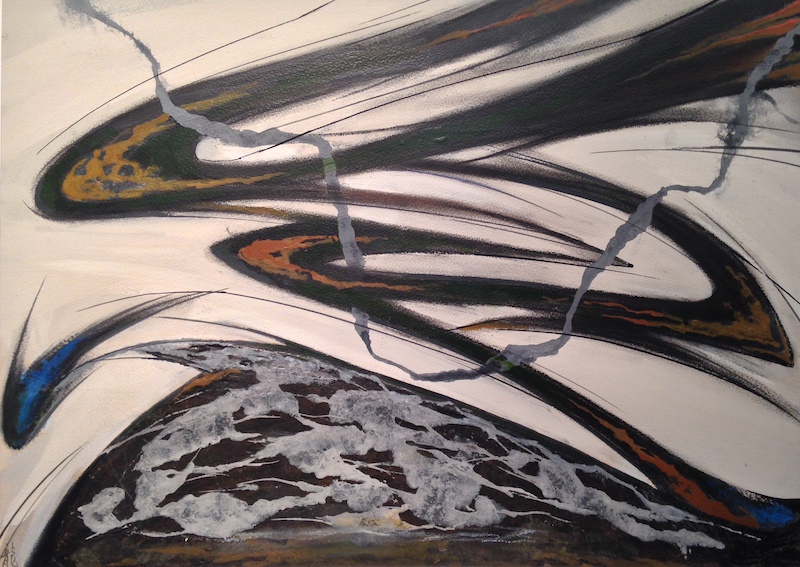
1928年に佐賀県伊万里市に生まれた池田龍雄は、15歳で海軍航空隊に入隊、特攻隊員として訓練中に敗戦を迎える。
占領期に故郷の師範学校に編入しますが、軍国主義者の烙印をおされ1年で追放にあう。戦中から戦後にかけた大きな価値の転回と、国家権力に振り回され続けたこの体験が、池田の創作の原点を形づくった。
1948年、画家を目指して上京した池田は、多摩造形芸術専門学校(現・多摩美術大学)へ入学。まもなく岡本太郎や花田清輝らによる〈アヴァンギャルド芸術研究会〉に飛び込み、前衛芸術の道を歩み始める。
朝鮮戦争の勃発により社会への意識を深め、絵画におけるルプルタージュの可能性を探るなか、1954年の読売アンダパンダン展に内灘闘争を描いた「網元」を発表し、一躍注目を集めた。
以降、風刺と諧謔に満ちたペン画のシリーズを次々と生み出す。文学、演劇、映像とジャンル横断的に繰り広げられる 戦後美術のなかで、多彩な芸術家や美術批評家と交わりながら、自らの制作活動を展開していった。1960年代後半からは概念芸術にも関心を抱き自らパフォーマンスを行うとともに、宇宙と生命の深奥を描いた15年に及ぶ連作「BRAHMAN」を手がける。
個人として厳しく社会と向き合いながら、一個の生命として宇宙の成り立ちを想像する。
生前90歳を目前に、自らの活動を振り帰っての執筆や講演活動を精力的に行なうとともに、なお歩み続けた彼の画業は、時代と切り結び思考する苦闘の足跡であり、戦後日本美術史の証人ともなっている。
1928 佐賀県に生まれる
1948 多摩造形芸術専門学校(現多摩美術大学)入学
1954 養清堂画廊にて初個展 以後国内外での個展・グループ展多数
1982 「瀧口修造と戦後美術」富山県立近代美術館/富山
1985 「池田龍雄の世界展」池田20世紀美術館/静岡
1985 「再構成・日本の前衛1945-65」オックスフォード近代美術館/イギリス
1986 「前衛美術の日本1910-1970」ポンピドーセンター/パリ
1988 「走図展」INAXギャラリー /東京
1992 「日本の現代美術1945-1985」東京都美術館/東京
1995 「戦後文化の軌跡1945-1995」目黒区美術館/東京
1997 「ねりまの美術 97 池田龍雄・中村宏」練馬区立美術館 /東京
1998 「瀧口修造とその周辺」国立国際美術館/大阪
2000 「万歳七唱 岡本太郎の鬼子たち」川崎市岡本太郎美術館/神奈川
2001 第21回 オマージュ瀧口修造展 「漂着」佐谷画廊/東京
2005 「瀧口修造 夢の漂流物」世田谷美術館 /東京
2009 大英博物館・日本館主催 浜田知明展において自選版画100点、彫刻16点を展示
2010 「池田龍雄アヴァンギャルドの軌跡」山梨県立美術館
2010 「池田龍雄アヴァンギャルドの軌跡」川崎市岡本太郎美術館
2010 「池田龍雄アヴァンギャルドの軌跡」福岡県立美術館
2011 「我が心のなかのメルヴェーユ」画廊香月/東京
2012 「漂着 e`pave absolue 2012」画廊香月/東京
2015 「我が心のメルヴェーユ 」Gallery MORYTA・画廊香月/福岡 website
我が心のメルヴェーユ ー北の風・南の風 池田龍雄ー →
わが画業60年 何であったのかアヴァンギャルド 池田龍雄 →
池田龍雄と触覚の関係 中原佑介 →
Wikidpedia →
日本美術オーラル・ヒストリー・アーカイヴ 第1回 →
日本美術オーラル・ヒストリー・アーカイヴ 第2回 →
『わたしにとって,絵とは何か』「歴史は繋がっている 偶然と必然」2015.3.15 →
「池田龍雄 アヴァンギャルドの軌跡」Curators TV 川浪千鶴 →
美術品鑑賞「アドバルーン」池田龍雄‐東京国立近代美術館所蔵 →
Gallery MORYTA exhibition 「我が心のメルヴェーユ 」→
Ikeda Tatsuo – Artist Profile
Ikeda Tatsuo was born in 1928 in Imari, Saga Prefecture. At just 15, he joined Naval Aviation and, while still in training, was thrust into a losing war as a kamikaze pilot. During the post-war occupation, he enrolled in a normal school in his hometown, only to be expelled within a year, branded a militarist. These early experiences—the horrors of war and the abuse of governmental power—shaped the foundation of Ikeda’s artistic vision.
In 1948, Ikeda moved to Tokyo to pursue art, enrolling in what is now Tama Art University. He quickly immersed himself in the avant-garde art seminar led by Okamoto Taro and Hanada Kiyoteru, marking the beginning of his lifelong journey in avant-garde expression.
During the outbreak of the Korean War, he deepened his engagement with society and explored painting as a form of documentary. In 1954, he gained attention at the Yomiuri Independent Exhibition with Amimoto, a striking depiction of the Uchinadotōsō. From that point, he produced a series of pen drawings infused with satire and wit, carving a distinctive voice in post-war art that spanned literature, theater, and film, while actively collaborating with fellow artists and critics.
From the mid-1960s, Ikeda expanded into conceptual art, performing pieces himself and embarking on the 15-year series BRAHMAN, a profound exploration of the universe and life itself. Confronted with society’s constraints, he contemplated the origins of the cosmos as an inseparable part of human existence.
Even before reaching 90, Ikeda reflected on his career through writings and lectures, revealing the ongoing struggle between his personal vision and the tides of history. His work stands as both a testament and witness to the evolution of post-war Japanese art.
2014 Tatsuo Ikeda Fukuoka Art Museum, Fukuoka Japan
2011 The Trajectory of Postwar Avant garde Art – Fukuoka Prefectural Museum of Art, Fukuoka Japan
2010 The Trajectory of Postwar Avant-garde Art – Taro Okamoto Memorial Museum,Tokyo Japan
2013 Beyond Corrupt Eye Akumulathory 2 Gallery,1972-1990 – Museum of Contemporary Art in Kraków (MOCAK),Krakow Poland
1950s/’60s – Bunkyo Art,Tokyo Japan
2012 Tokyo 1955-1970 New Avant-Garde The Museum of Modern Art New York (MOMA),New York USA
Art Will Thrill You! : The Essence of Modern Japanese Art The National Museum of Modern Art Tokyo,Tokyo Japan
Beyond Corrupt Eye Akumulathory 2 Gallery,1972-1990 – Zacheta – National Gallery of Art, Warsaw
2010 ”Japanese Art 1950 – 2010″ – The National Museum of Art Romania,Bucharest
Collection 3.Japanese Art 1950 – 2010 – NMAO National Museum of Art Osaka ,Osaka Japana
2009 Affectionate artists Shuzo Takeguchi loved – Bunkyo Art,Tokyo Japan
2006 Group Exhibition – Bunkyo Art,Tokyo Japan
2005 Shigeo Ishii / Tasuo Ikeda – Bunkyo Art,Tokyo Japan
2003 Art of Modern Japan – National Museum of Modern Art Tokyo(MOMAT),Tokyo Japan
CAMK Grand Opening Commemorative Exhibition,Vol3 – Contemporary Art Museum Kumamoto – (CAMK),Kumamoto Japan
2000 Visage:Painting and the Human Face in 20th – Century Art – National Museum of Modern Art Kyoto(MOMAK),Kyoto Japan
Visage:Painting and the Human Face in 20th – Century Art – NMWA The National Museum of Western Art,Tokyo Japan
1994 When The Body Becomes Art – Itabashi Art Museum,Tokyo Japan
JAPAN
Tokyo Metropolitan Art Museum,Tokyo/National Museum of Modern Art Tokyo(MOMAT)/The Museum Modern Art,Toyama /Saga Prefectural Art Museum /Yamanashi Prefectural Museum of Art / The National Museum of Art,Osaka/The Setagaya Art Museum / The Tokushima Modern Art Museum / Hiroshima City Museum of Contemporary Art / Takamatsu City Museum of Art /Niigata City Art Museum / The National Museum of Modern Art Tokyo / Mie Prefectural Art Museum / Itabashi Art Museum / Nerima Art Museum / Tochigi Prefectural Museum of Fine Arts / Aichi Prefectural Museum of Art /
The Museum Modern Art,Wakayama / The Miyagi Museum of Art / Fukuoka Art Museum / Utsunomiya Museum of Art / Nagoya City Art Museum /
Machida City Museum of Graphic Arts / Fukuoka Prefectural Museum of Art / Tokyo Art Museum / Kanda Nissho Memorial Museum of Art etc
“My Merveille in My Heart ~the eye of North and South~” →
Sixty Years as an Artist What Was Avant-Garde? →
The Relationship Between IKEDA Tatsuo and the Sense of Touch →
Wikidpedia →
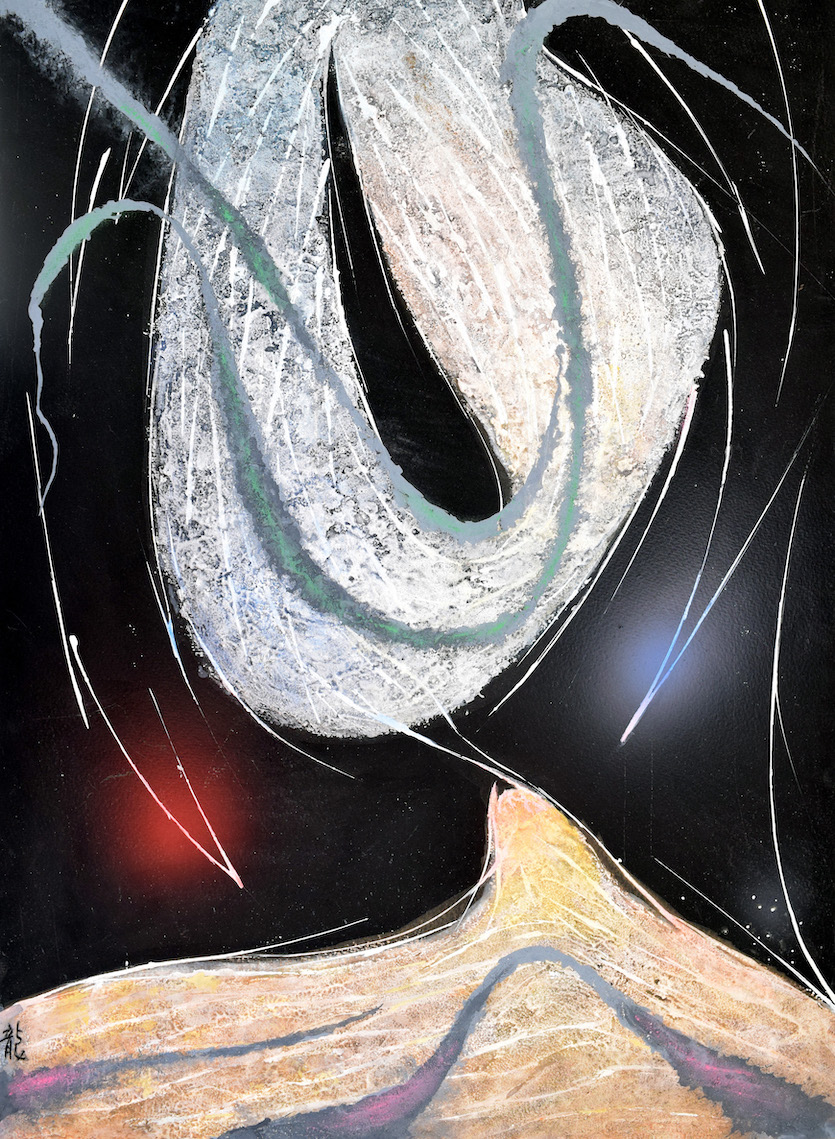
「場の位相-A」
mixed media・paper
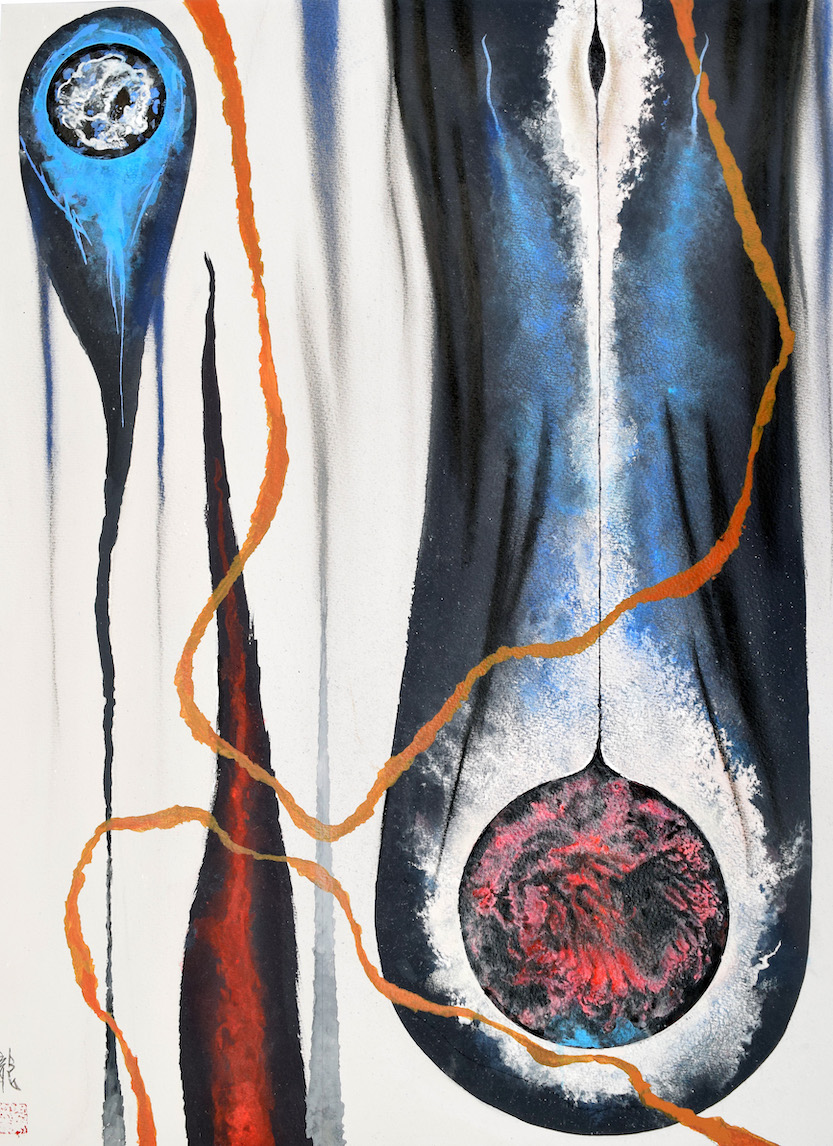
「場の位相-G」
mixed media・paper
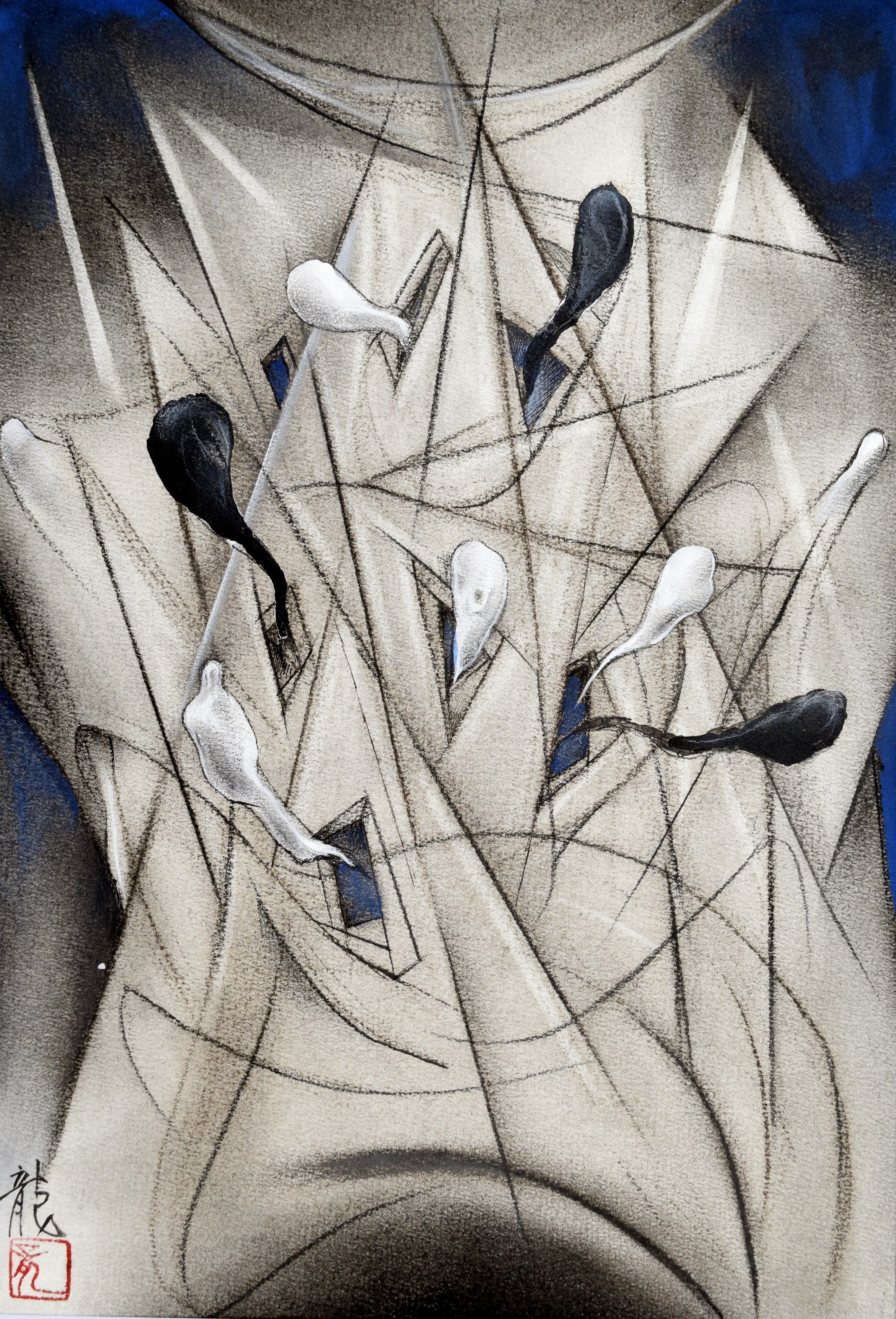
「窓」
mixed media・paper
