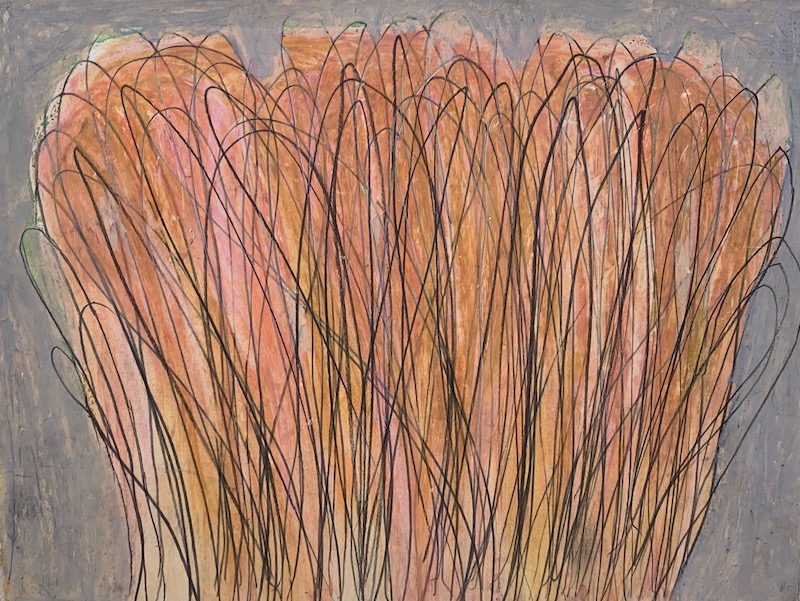
日本語 | English | 石橋泰幸 Yasuyuki ISHIBASHI | Gallery MORYTA | ギャラリーモリタ

石橋 泰幸 / 九州派

Yasuyuki Ishibashi

日本語 |
English |
中文

Works


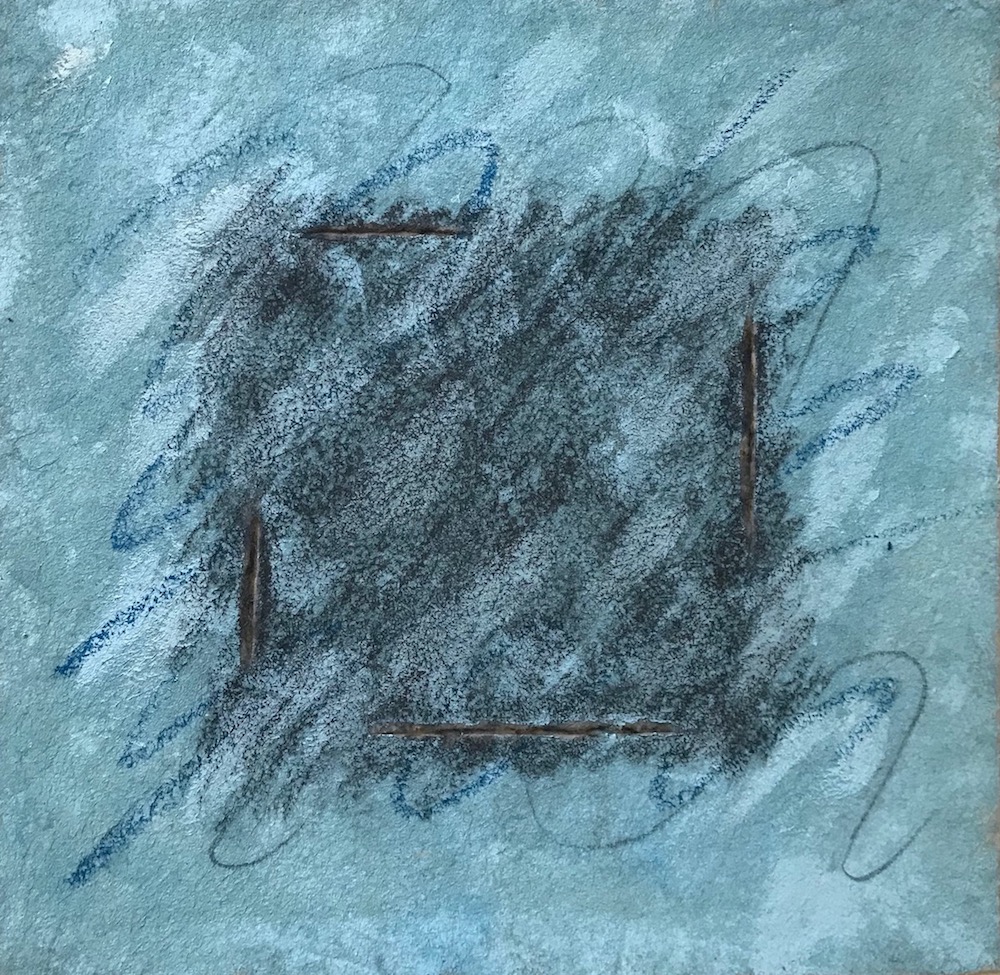
「作品」
Drawing on paper
W325 × H260 mm


「作品」
Drawing on paper
W325 × H260 mm


「作品」
Drawing on paper
W325 × H260 mm


「作品」
oil on canvas
W335 × H245 mm


「作品」
oil on canvas
W320 × H410 mm


「作品」
oil on canvas
W320 × H410 mm 1966


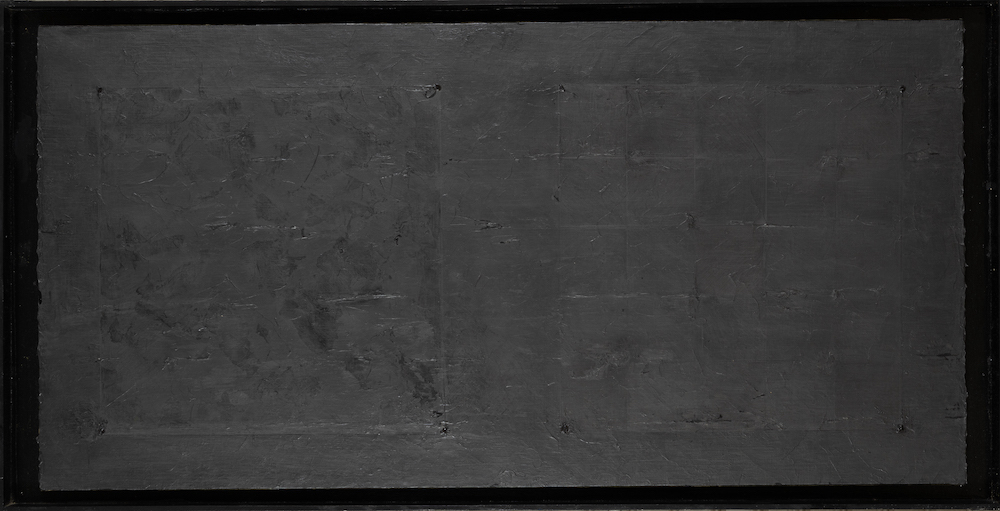
「黒の平面空間Ⅳ」
oil on board
W1070 × H580 mm 1987
空間に並列する2つのスクエア〈正方形〉が存在する。
一方は黒っぽい無地のグレー。しかし、よく見ると琳派の如く、小さな正方形がいくつも並んでいるではないか。
もうひとつはナイフで削ったマチェールのなかに、ごく薄い黒い滲みの斑点が点在する神秘な表現である。
じっと見つめているとそこから何もない面に眼は移い、さらに無の中から新たなイメージが湧いてくる。語りかけてくる絵とはこういうものか、とても魅力的である。
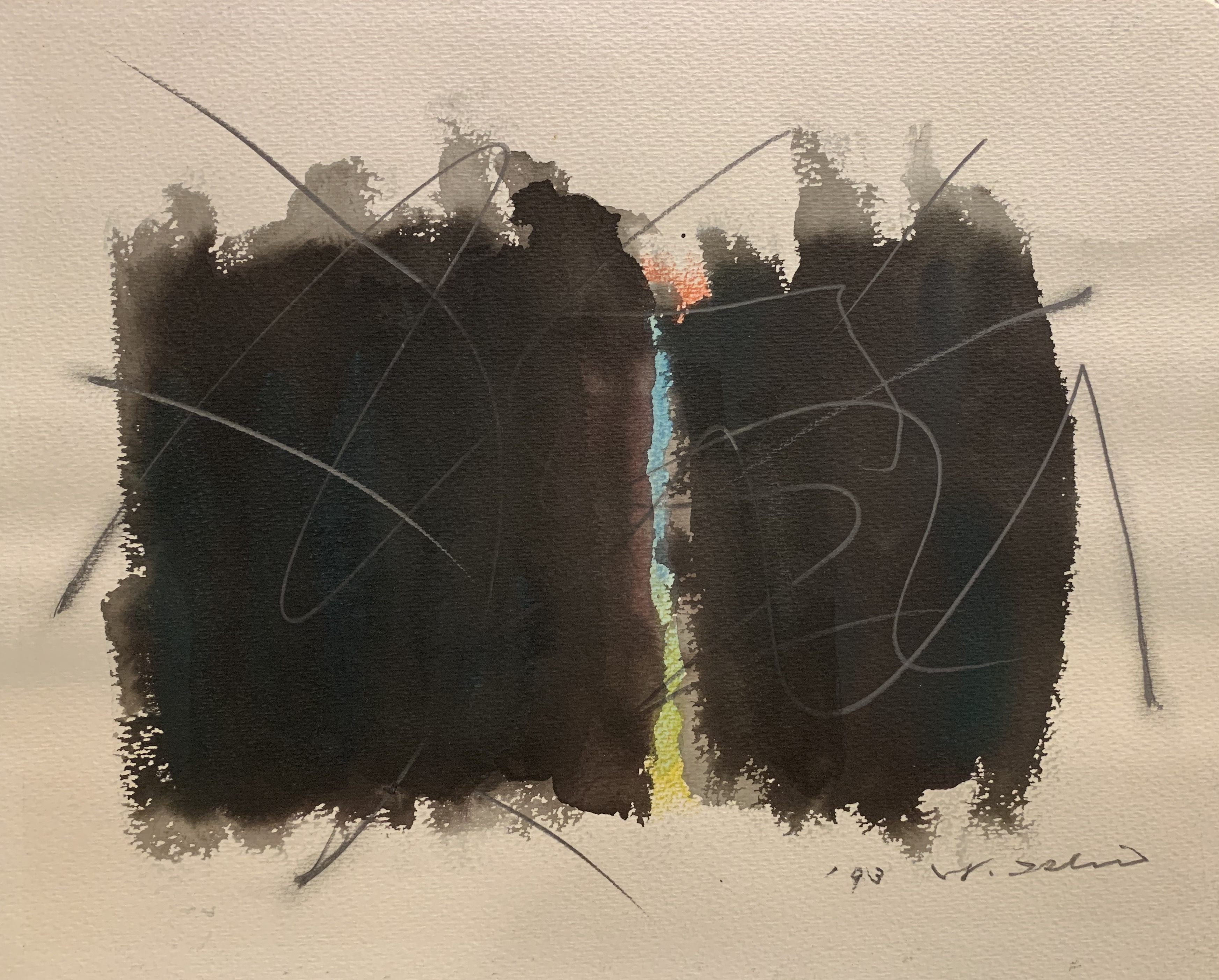
石橋 泰幸について

Japanese

1930 東京生まれ

九州派の中心メンバーとして1956年から桜井孝身やオチ・オサムと共に九州派結成に参加し、1968年に開催された最後の展覧会まで、一度も離脱することなく九州派に在籍した。
桜井とオチの渡米後も九州にとどまり九州派を支えた。

実験性と俗っぽさを兼ねそなえた代表的な作家であり、素材や徹底した単純明快な造形を追求した。1980年代、日韓現代絵画展への参加から積極的に韓国との文化交流を深めていく。
韓国特有のモノクローム絵画の影響を受け、素材の固有色を生かした作品制作を続けた。
九州派の前身である「ペルソナ展」に参加し、九州派という組織づくりの原動力となったのが二科展出品者の保野衛、桜井孝身、石橋泰幸、オチ・オサムの4人である。

九州派の象徴であるコールタールを使い始めたのは石橋である。
「安いうえに、不思議な光沢があるし、量感もある。道を歩いていて、これだと思いまし た。道路工事用のコールタールをもらいにいくと、何に使うのか、と聞くので、絵をかくと言うと、ビックリしていましたよ」(石橋)<駆け抜けた前衛 5 西日本新聞>より抜粋

作品の冒険、実験にあけくれていた九州派の中でも、特に目立った存在が石橋泰幸だった。
九州派のメンバーでもある山内重太郎が語る。
「九州派時代、彼のダダ的冒険というべき、実験的作品は、幾人かの作家のものとともに九州派の作品をリードしてきたと私には見える。
九州派時代もそれ以後も、泰幸さんほど実験的作品を作り続けてきた九州派の作家はいない。
しかも、彼の多岐に亘る実験的作品は、単なる思いつきなどではなく、確かな技術と強い自身に裏付けられたものである。」
さらに、西日本新聞「駆け抜けた前衛 15」(田代俊一郎)にて、九州派時代の逸話が記されている。
「大黒愛子は、その異様な作品をみて「何をやってもいいのか」と、それまでの自分の芸術概念が崩壊していくような衝撃を受けた。
その作品は、石橋泰幸が第一回「九州派展」 (東京・銀座画廊、昭和三十四年)に出品した作品「WORK」である。アスファルトピッチで縦長のだ円を描き、その中にしわくちゃの新聞紙を張りつけていた。
石橋はその作品で「存在の重量感」を表現した、つもりであった。大黒は、それを「便器の風景」と受け取った。その解釈論は別にして、伝統的な造形、素材に縛られていた大黒にとって、目からウロコが落ちるようなものだった。」


石橋も最後まで九州派に属した、実験性と俗っぽさを兼ねそなえた代表的な作家であり、また桜井とオチの渡米後も九州にとどまり解体期の九州派を支えた。(九州派大全より)

略歴

1930 東京に生まれる
1949 福岡県立八女工業高校卒業
1949 西日本鉄道入社
1952 第37回二科展 東京都美術館(〜’54)
1956 ペルソナ展 福岡県庁西側外壁
1956 – 63 読売アンデパンダン展(東京都美術館)
1957 – 68 九州派参加
1957 第1回アジア青年美術家展(東京都美術館)
1962 今日のヴィジョン展(東京)
1965 ’65日本・今日の美術展(東京)
1966 サンフランシスコ展覧会(サンフランシスコ)
1968 夜だけの現代美術展 宮崎観光ホテル/宮崎市 具体メンバー藤野忠利の働きで具体メンバーと共に参加
1968 – 70 九州・現代美術の動向展 福岡市民会館
1970 可能性への意志 (北九州市立八幡美術館)
1971 第10回現代日本美術展(東京都美術館)
1973 個展(福岡県文化会館)
1974 個展 九州画廊/久留米市
1975 版画展(東亜画廊)
1975 今日の美術展(福岡県文化会館)
1976 多元的抽象展(福岡県文化会館)
1976 プリントアート6 東亜画廊/福岡市
1977 プリントアート 福岡市秀巧社アート・ギャラリー
1977 白の空間展 福岡県文化会館
1978 個展 エンギャラリー/福岡市
1979 プリントアート17 福岡市秀巧社アート・ギャラリー
1979 第2回ジャパン・エンバ美術展(エンバ中国近代美術館)
1980 第1回福岡美術家協会展(福岡市美術館)
1980 第1回アジア現代美術展(福岡市美術館)
1980 個展 天神アートサロン/福岡市
1980 石橋泰幸・加呂昌太郎二人展(福岡市美術館)
1980 アジア現代美術展 福岡市美術館
1981 韓・日現代絵画展 韓国文化芸術振興院美術会館/ソウル市(’83.’85,’87)
1982 第2回日韓現代美術展 福岡市美術館(’84.’86,’88
1985 個展 ギャラリーとわーる/福岡市 (’88)
1987 崔明永・石橋泰幸二人展 SOOギャラリー/ソウル市
   崔明永の絵画 千葉成夫→#1→#2→#3→#4→#5→#5-1→#6→#7→movie
1988 九州派展ー反芸術プロジェクト 福岡市美術館
1998 福岡美術戦後物語 福岡市美術館
2001 福岡市で死去
2004 痕跡ー戦後美術における身体と思考 京都国立近代美術館・東京都国立近代美術館
2015 「九州派展」福岡市美術館

収蔵

福岡市美術館・北九州市美術館・大分市美術館・添田町美術館

メディア

作家テキスト

九州派を代表する画家の一人、日韓交流現代美術展にて
岡本太郎へのことば 川崎市岡本太郎美術館刊
沈黙 原書
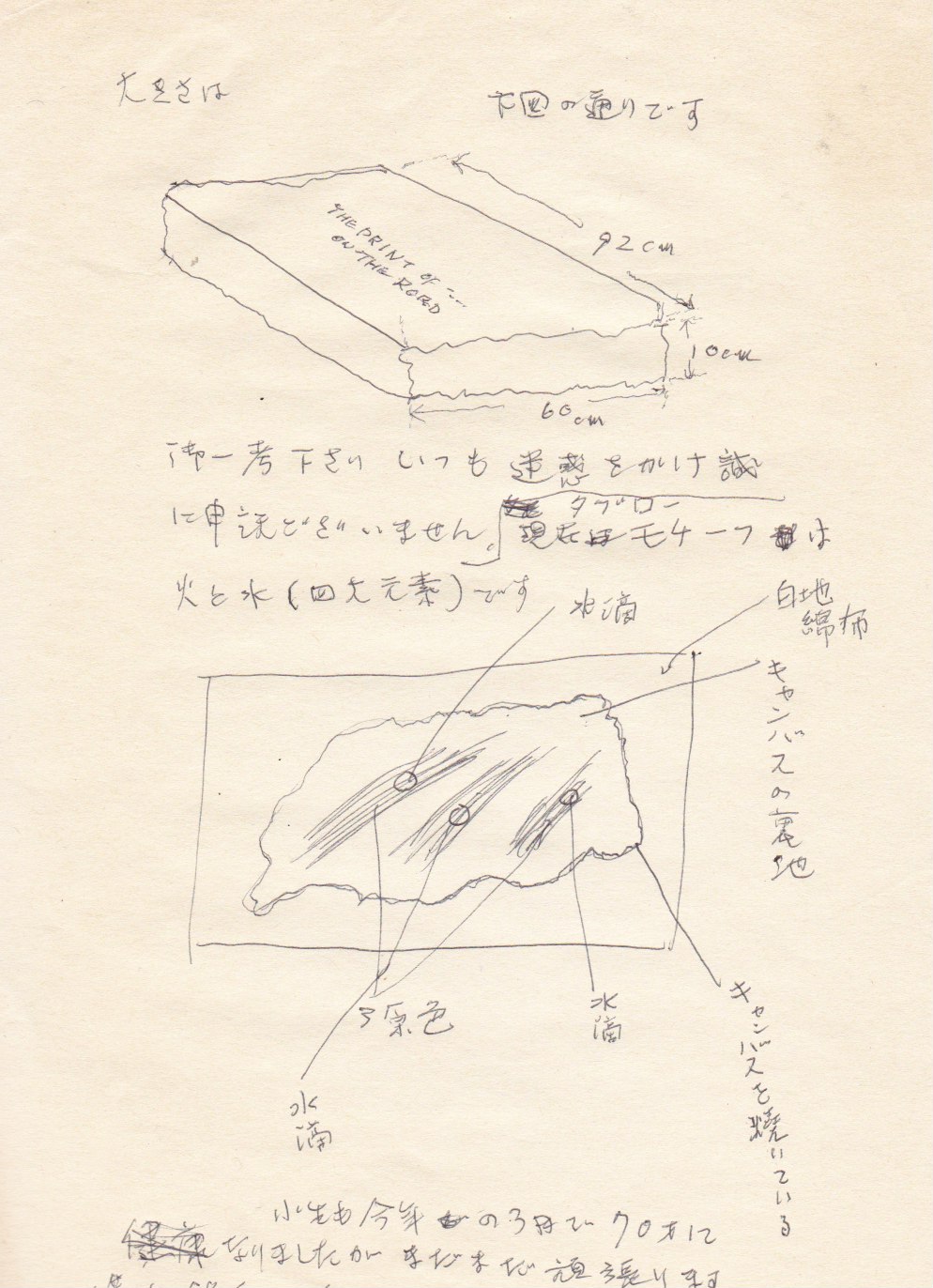
美術館への提案エスキース

批評・記事

フクニチ 8th Feb 1977 限りなく透明な空間 深野 治
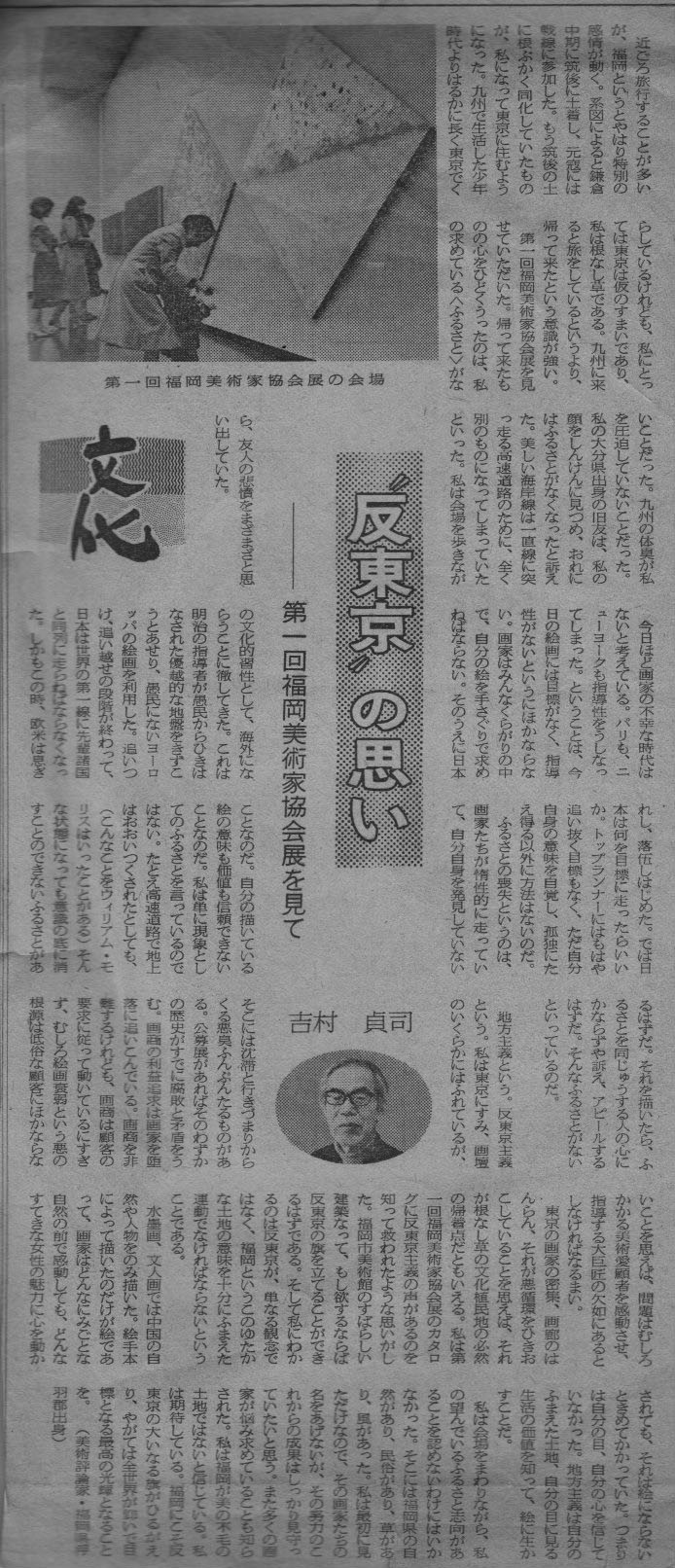
毎日新聞 28th Nov 1985. 横へ広がる空間
西日本新聞 8th Aug 1986 混とんの中に熱気 日韓現代美術展
朝日新聞 美術 9th Aug.1986 日本の造形性と韓国の精神性
西日本新聞 26Th.Sep.1988 文化欄 前衛たちの軌跡 九州派から四半世紀
毎日新聞 14th Apr 1988 黒の多様な表情
西日本新聞 15th Apr 1988 黒の平面空間
西日本新聞 6th.Nov.2001 九州派の「切り込み隊長」石橋泰幸さんを悼む 黒田雷児

山内重太郎 石橋泰幸さんと九州派 
石橋潤一郎(石橋泰幸・息子)父の背中

九州派 & GALLERY MORYTA

Gallery MORYTA exhibition 九州派 2019
Gallery MORYTA exhibition 九州派 2018
九州派:私たちの視点


Works


“Untitled”
Drawing on paper
W325 × H260 mm


“Untitled”
Drawing on paper
W325 × H260 mm


“Untitled”
Drawing on paper
W325 × H260 mm


“Untitled”
oil on canvas
W335 × H245 mm


“Untitled”
oil on canvas
W320 × H410 mm


“Untitled”
oil on canvas
W320 × H410 mm 1966


“Black Plane Space IV”
oil on board
W1070 × H580 mm 1987
Two squares are arranged in parallel within the space.
One appears to be a dark, solid gray; however, upon closer inspection, it reveals numerous small squares aligned in a pattern reminiscent of the Rinpa style.
The other presents a mysterious expression, with faint black stains dispersed within a surface carved by a knife-like technique.
As one gazes intently, the eye drifts toward an empty plane, and from within that void, new images begin to emerge. This is perhaps what it means for a painting to speak—an intensely captivating experience.

About — Yasuyuki ISHIBASHI

English

Born in Tokyo, 1930
As a central member of the Kyushu-ha group, Ishibashi participated in its formation in 1956 alongside Takami Sakurai and Osamu Ochi. He remained with the group without interruption until its final exhibition in 1968.
Even after Sakurai and Ochi moved to the United States, Ishibashi stayed in Kyushu and continued to support the activities of Kyushu-ha.
A representative artist who combined experimental approaches with a certain populist sensibility, Ishibashi pursued the expressive potential of materials and a rigorously simple and direct formal language. From the 1980s onward, following his participation in Japan–Korea Contemporary Painting exhibitions, he actively deepened cultural exchange with Korea. Influenced by the monochrome painting characteristic of Korea, he continued to produce works that emphasized the inherent qualities and colors of materials.
Ishibashi also participated in the “Persona Exhibition,” the precursor to Kyushu-ha. The driving force behind the formation of Kyushu-ha as an organized group were four artists who had exhibited in the Nika Exhibition: Mamoru Yasuno, Takami Sakurai, Yasuyuki Ishibashi, and Osamu Ochi.
It was Ishibashi who first began using coal tar, a material that would become symbolic of Kyushu-ha.
“It’s inexpensive, has a mysterious luster, and a sense of volume. When I was walking along the road, I thought—this is it. When I went to get coal tar used for road construction, they asked me what I would use it for. When I said I would paint with it, they were quite surprised.”
(Excerpt from Avant-Garde in Motion 5, Nishinippon Shimbun)
Among the Kyushu-ha artists, who were deeply engaged in experimentation and artistic exploration, Ishibashi stood out as a particularly distinctive figure.
Shigetaro Yamauchi, also a member of Kyushu-ha, recalls:
“During the Kyushu-ha period, what can be described as his Dada-like explorations—his experimental works—along with those of several other artists, led the direction of Kyushu-ha’s artistic output.
Both during and after the Kyushu-ha period, there has been no other Kyushu-ha artist who continued to produce experimental works as persistently as Mr. Ishibashi.
Moreover, his wide-ranging experimental works were not mere spontaneous ideas, but were supported by solid technical skill and a strong sense of conviction.”
An anecdote from the Kyushu-ha period is also recorded in Avant-Garde in Motion 15 (Shunichiro Tashiro, Nishinippon Shimbun):
“Aiko Daikoku, upon seeing the strange work, was struck by a shock that seemed to dismantle her existing concept of art—‘Is anything allowed?’ she wondered.
The work in question was WORK, exhibited by Yasuyuki Ishibashi at the First ‘Kyushu-ha Exhibition’ (Ginza Gallery, Tokyo, 1959). He had painted a vertically elongated oval with asphalt pitch and affixed crumpled newspaper inside it.
Ishibashi intended to express the ‘weight of existence’ in this work, while Daikoku interpreted it as a ‘landscape of a toilet.’ Regardless of interpretation, for Daikoku—who had been bound by traditional forms and materials—it was a revelatory experience.”
Ishibashi remained a member of Kyushu-ha until the very end. A representative artist who embodied both experimentation and a certain vulgarity or earthiness, he also stayed in Kyushu after Sakurai and Ochi moved to the United States, supporting the group during its period of dissolution.
(From Kyushu-ha Taizen)


Biography

Member of Kyushu-ha
1930 Born in Tokyo, Japan
1949 Graduated from Yame Technical High School, Fukuoka
1949 Joined Nishitetsu Railway Company
1952 Participated in the 37th Nika Exhibition, Tokyo Metropolitan Art Museum (through 1954)
1956 Persona Exhibition, West Exterior Wall of Fukuoka Prefectural Office <=”https://artscape.jp/artscape/exhibition/curator/yy_0605.html”>→
1956–1963 Yomiuri Independent Exhibition, Tokyo Metropolitan Art Museum
1957–1968 Member of Kyushu-ha
1957 The 1st Asian Youth Art Exhibition, Tokyo Metropolitan Art Museum
1962 Vision of Today Exhibition, Tokyo
1965 Contemporary Japanese Art Exhibition 1965, Tokyo
1966 Exhibition in San Francisco
1968 “Night-only” Contemporary Art Exhibition, Miyazaki Kanko Hotel, Miyazaki (participated with Gutai members through the initiative of Tadayoshi Fujino)
1968–1970 Trends in Contemporary Art in Kyushu Exhibition, Fukuoka Civic Hall
1970 Will Toward Possibility, Kitakyushu Municipal Yahata Museum of Art
1971 The 10th Contemporary Japanese Art Exhibition, Tokyo Metropolitan Art Museum
1973 Solo Exhibition, Fukuoka Prefectural Cultural Center
1974 Solo Exhibition, Kyushu Gallery, Kurume
1975 Print Exhibition, Toa Gallery
1975 Contemporary Art Exhibition of Today, Fukuoka Prefectural Cultural Center
1976 Pluralistic Abstraction Exhibition, Fukuoka Prefectural Cultural Center
1976 Print Art 6, Toa Gallery, Fukuoka
1977 Print Art Exhibition, Shukosha Art Gallery, Fukuoka
1977 White Space Exhibition, Fukuoka Prefectural Cultural Center
1978 Solo Exhibition, En Gallery, Fukuoka
1979 Print Art 17, Shukosha Art Gallery, Fukuoka
1979 The 2nd Japan Enba Art Exhibition, Enba Museum of Modern Chinese Art
1980 The 1st Fukuoka Artists Association Exhibition, Fukuoka Art Museum
1980 The 1st Asian Contemporary Art Exhibition, Fukuoka Art Museum
1980 Solo Exhibition, Tenjin Art Salon, Fukuoka
1980 Two-Person Exhibition: Yasuyuki Ishibashi & Shotaro Karo, Fukuoka Art Museum
1980 Asian Contemporary Art Exhibition, Fukuoka Art Museum
1981 Korea–Japan Contemporary Painting Exhibition, Korean Culture and Arts Foundation Art Center, Seoul (also held in 1983, 1985, 1987)
1982 The 2nd Korea–Japan Contemporary Art Exhibition, Fukuoka Art Museum (also held in 1984, 1986, 1988)’86,’88
1985 Solo Exhibition, Gallery To-Wall, Fukuoka (also in 1988)
1987 Two-Person Exhibition: Myung-Young Choi & Yasuyuki Ishibashi, SOO Gallery, Seoul
   Paintings of Myung-Young Choi, text by Shigeo Chiba→#1→#2→#3→#4→#5→#5-1→#6→#7→movie
1988 Kyushu-ha Exhibition: Anti-Art Project, Fukuoka Art Museum
1998 Postwar Art in Fukuoka, Fukuoka Art Museum
Died in Fukuoka in 2001
2004 Traces: Body and Thought in Postwar Japanese Art, The National Museum of Modern Art, Kyoto / Tokyo
2015 Kyushu-ha Exhibition, Fukuoka Art Museum

Museum collection

FUKUOKA ART MUSEUM 
Kitakyushu Municipal Museum of Art・Oita Art Museum・Soeda Town Museum of Art

Media

Artist Writings

One of the leading painters of the Kyushu-Ha, at the Japan-Korea Exchange Contemporary Art Exhibition

Criticism & Articles

Nishinippon Shinbun Trajectory of the Avant-gardeSeptember 26 – October 8, 1988
Mainichi Newspaper 14th Apr 1988 Various Expressions of Black
The Nishinippon Newspaper 15th Apr 1988 Black Plane Space
Yasuyuki Ishibashi and Kyushu-Ha-written by Jutaro Yamauchi
Father’s Back Junichiro Ishibashi (Yasuyuki Ishibashi’s son)

Kyushu Ha & GALLERY MORYTA

Gallery MORYTA exhibition 2019
Gallery MORYTA exhibition 2018
Kyushu-Ha:OUR PERSPECTIV


作品集


「作品」
Drawing on paper
W325 × H260 mm


「作品」
Drawing on paper
W325 × H260 mm
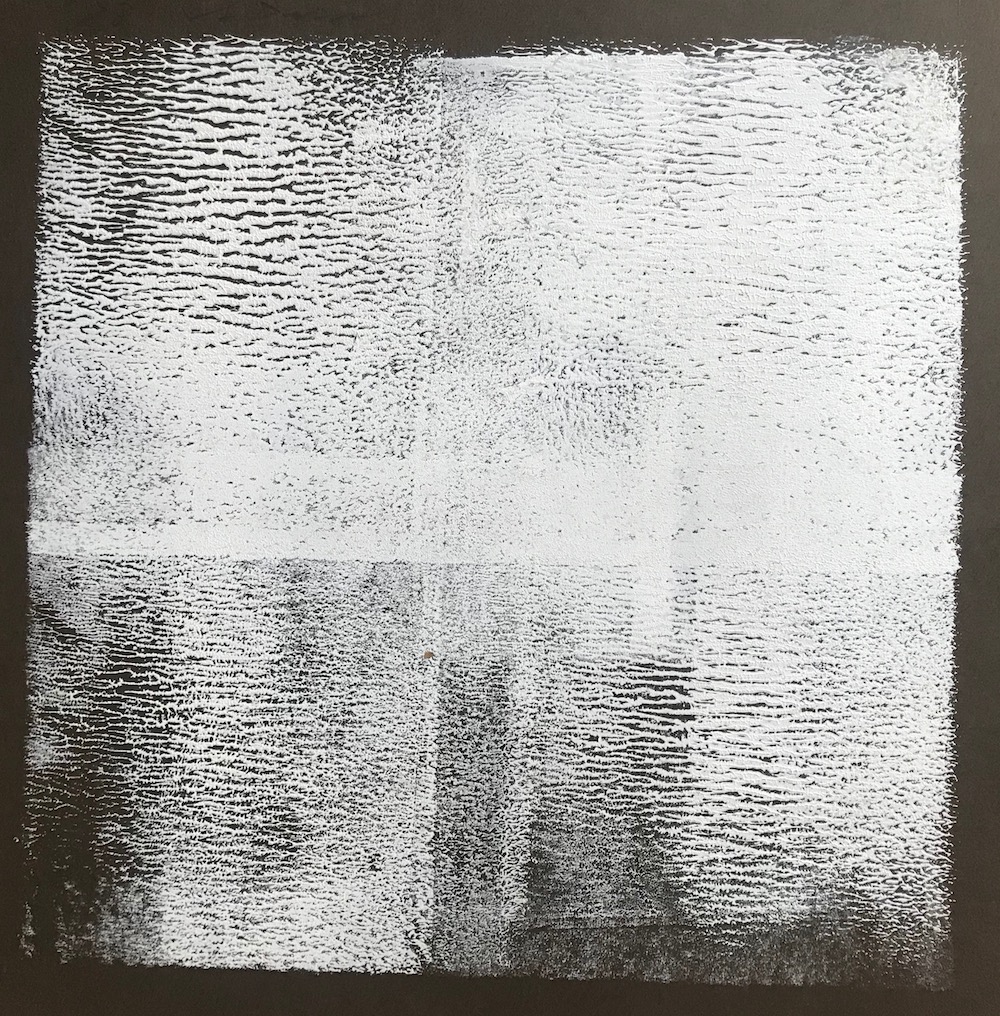

「作品」
Drawing on paper
W325 × H260 mm
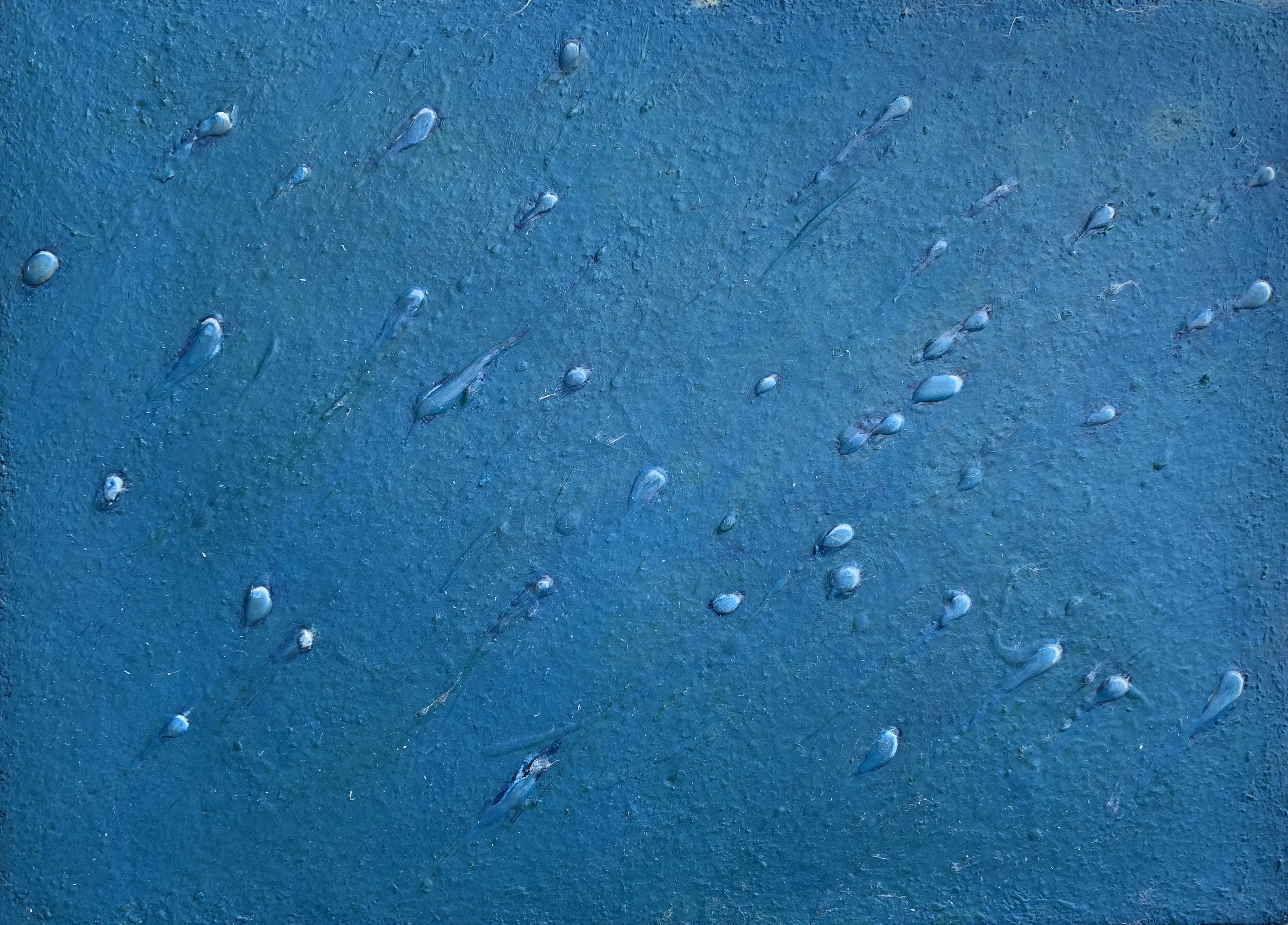

「作品」
oil on canvas
W335 × H245 mm
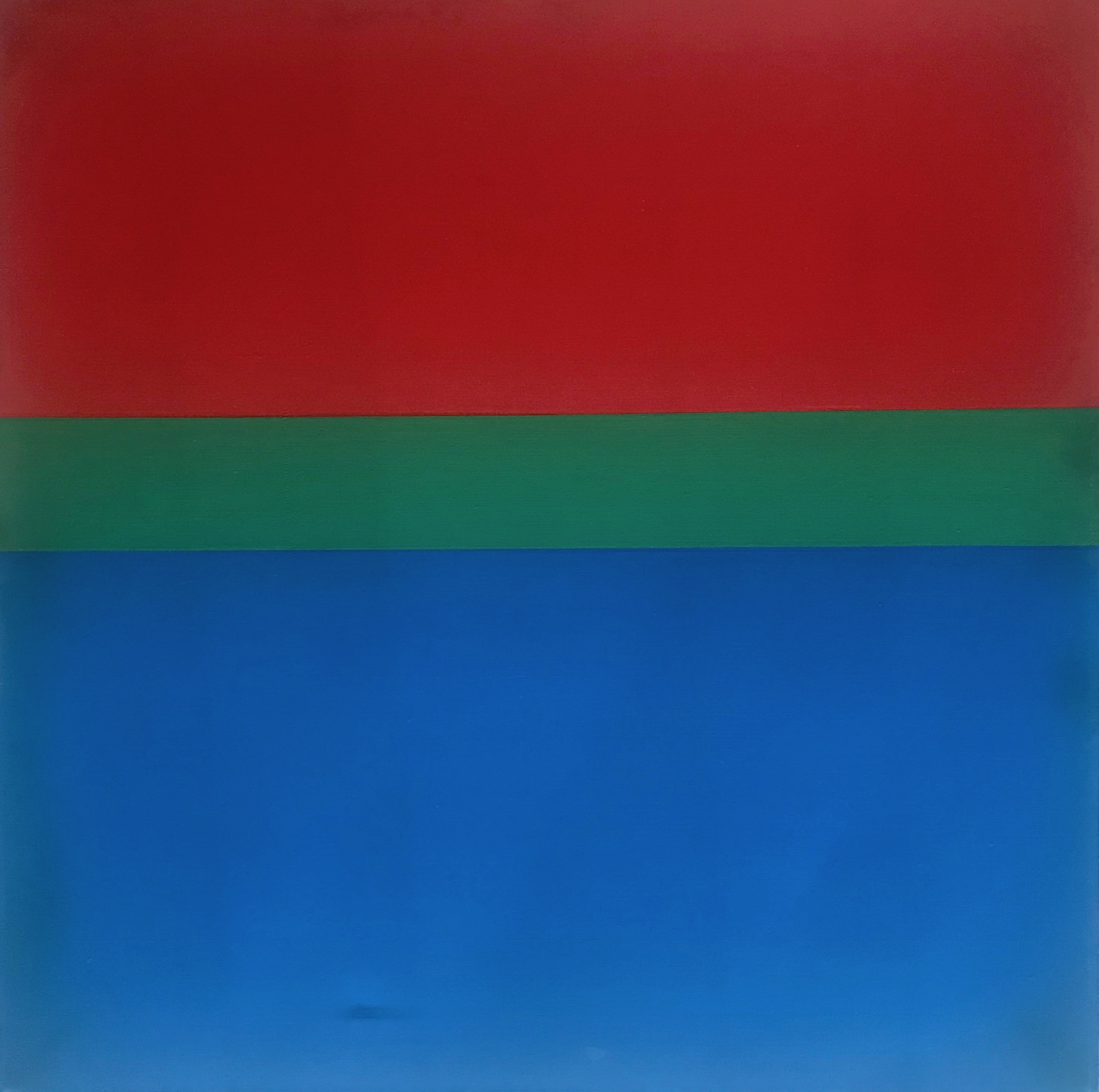

「作品」
oil on canvas
W320 × H410 mm
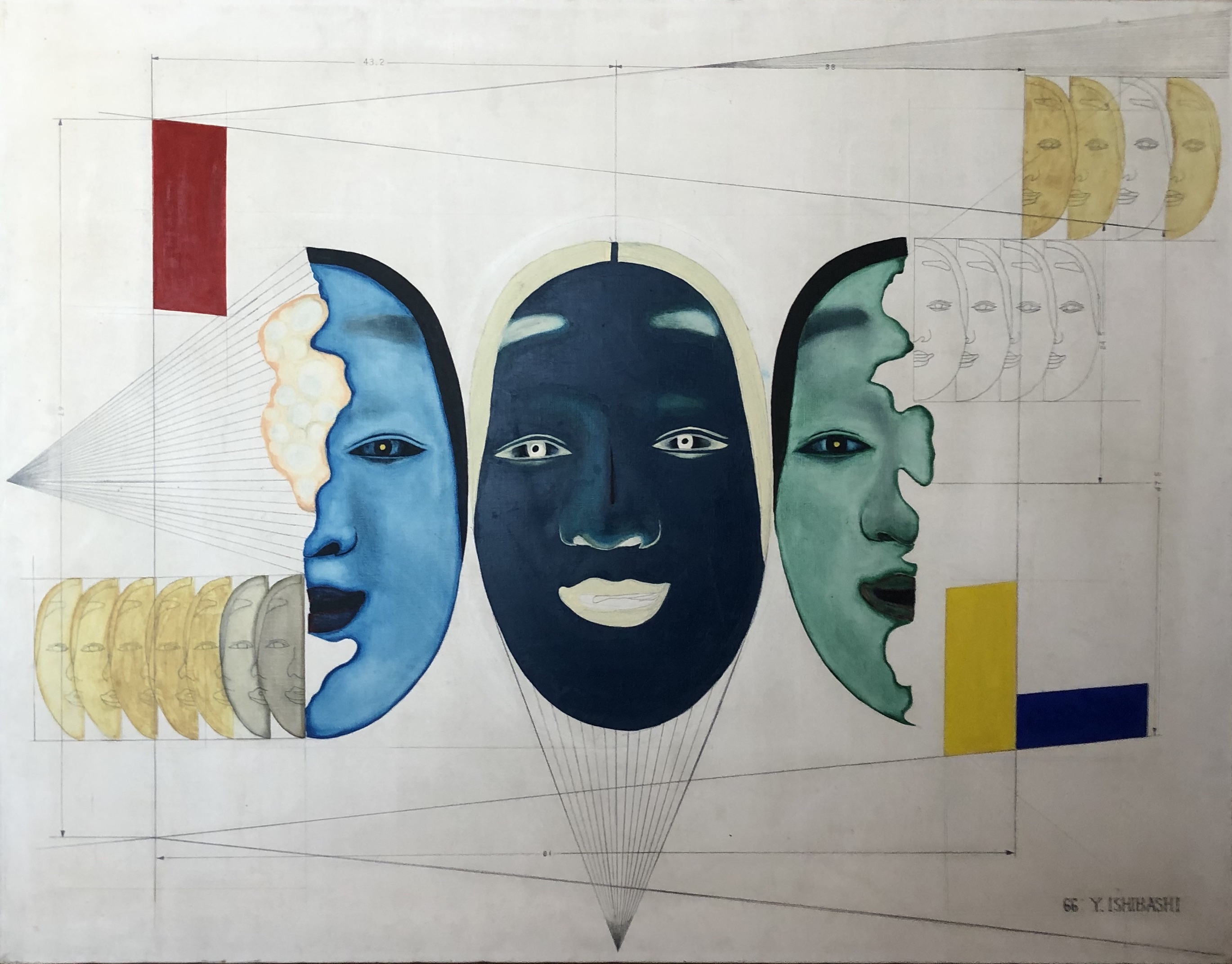

「作品」
oil on canvas
W320 × H410 mm 1966


「黑色平面空間 IV」
oil on board
W1070 × H580 mm 1987
畫面中並列存在著兩個正方形。
其中一個看似為偏黑的單色灰面,但仔細觀察,卻可發現如同琳派風格般排列著許多細小的正方形。
另一個則是在以刀刮削形成的肌理之中,點綴著極為淡薄的黑色滲痕,呈現出神秘的視覺效果。
當長時間凝視,視線會逐漸轉向一片虛無的空間,並從這片空無之中浮現出新的意象。或許,這正是會「與觀者對話」的繪畫所具有的魅力,令人深深著迷。

關於石橋 泰幸

Chinese

1930年生於東京
自1956年起,作為九州派的核心成員之一,與桜井孝身及オチ・オサム共同參與九州派的創立,並直到1968年最後一次展覽為止,從未離開該團體。

在桜井與オチ赴美之後,他仍留在九州,持續支撐九州派的活動。

他是兼具實驗性與通俗感的代表性藝術家之一,致力於探索材料以及徹底簡潔明確的造形表現。1980年代,透過參與日韓現代繪畫展,積極深化與韓國之間的文化交流。受到韓國單色畫(Monochrome Painting)的影響,他持續創作強調素材本身固有色的作品。

在九州派前身「Persona展」中,推動九州派組織形成的核心人物,為曾參與二科展的保野衛、桜井孝身、石橋泰幸與オチ・オサム四人。

九州派象徵性的材料——煤焦油(coal tar),正是由石橋率先開始使用。
「它既便宜,又帶有一種不可思議的光澤,還具有重量感。走在路上時,我就覺得就是它了。當我去向道路施工單位索取煤焦油時,他們問我要做什麼用,我說要拿來畫畫,他們都非常驚訝。」(石橋)
—摘自《疾走的前衛 5》西日本新聞

在不斷進行作品實驗與冒險的九州派之中,石橋泰幸尤為突出。
同為九州派成員的山內重太郎如此評價:
「在九州派時期,他那種可稱為達達式冒險的實驗性作品,與其他幾位藝術家的創作一道,引領了九州派的整體方向。在我看來,無論是在九州派時期或之後,沒有任何一位藝術家像泰幸那樣持續創作如此實驗性的作品。
而且,他多樣而廣泛的實驗創作,並非一時的靈感,而是建立在扎實的技術與強烈自信之上的。」

此外,在西日本新聞《疾走的前衛 15》(田代俊一郎)中,亦記錄了一段九州派時期的逸事:

「大黒愛子在看到那件異樣的作品時,受到極大衝擊,甚至感到原有的藝術觀念正在崩解——『原來什麼都可以做嗎?』
那件作品正是石橋泰幸在第一回『九州派展』(1959年,東京銀座畫廊)中發表的《WORK》。他以瀝青描繪出縱長的橢圓形,並在其中貼上皺縮的報紙。

石橋試圖透過這件作品表現『存在的重量感』,而大黒則將其解讀為『如同便器的風景』。姑且不論詮釋的差異,對於原本受制於傳統造形與材料的大黒而言,這無疑是一種顛覆性的體驗。」

石橋同樣是自始至終隸屬於九州派的重要成員,是兼具實驗性與通俗感的代表性藝術家。在桜井與オチ赴美之後,他仍留在九州,支撐著處於解體期的九州派。
(摘自《九州派大全》)

略歴

1930 生於東京
1949 畢業於福岡縣立八女工業高等學校
1949 進入西日本鐵道公司任職
1952 第37回二科展|東京|東京都美術館,至1954年
1956 Persona展(福岡縣廳西側外牆)
1956–1963 讀賣獨立展|東京|東京都美術館
1957–1968 參與九州派
1957 第1回亞洲青年美術家展|東京|東京都美術館
1962 今日的視覺展|東京|日本
1965 1965日本・今日的美術展|東京
1966 舊金山展覽|舊金山|美國
1968 僅於夜間舉行的現代美術展|宮崎|宮崎觀光飯店具體美術協會成員共同參加
1968–1970 九州・現代美術動向展|福岡|市民會館
1970 邁向可能性的意志|北九州|市立八幡美術館
1971 第10回現代日本美術展|東京都美術館
1973 個展 福岡縣文化會館
1974 個展 九州畫廊|久留米市
1975 版畫展|東亞畫廊
1975 今日的美術展 福岡縣文化會館|福岡
1976 多元抽象展 福岡縣文化會館|福岡
1976 Print Art 6 東亞畫廊|福岡
1977 Print Art 日本秀巧社藝術畫廊|福岡
1977 白之空間展 福岡縣文化會館
1978 個展 En Gallery|福岡
1979 Print Art 17 秀巧社藝術畫廊|福岡
1979 第2回Japan Enba美術展 Enba中國近代美術館
1980 第1回福岡美術家協會展 福岡市美術館
1980 第1回亞洲現代美術展 福岡市美術館
1980 個展 天神藝術沙龍|福岡
1980 石橋泰幸・加呂昌太郎雙人展 福岡市美術館
1980 亞洲現代美術展 福岡市美術館
1981 韓日現代繪畫展(韓國文化藝術振興院美術會館|首爾|南韓 (’83.’85,’87)
1982 第2回日韓現代美術展 福岡市美術館(’84.’86,’88
1985 個展 Gallery Toir (’88)
1987 崔明永・石橋泰幸雙人展 SSOO畫廊|首爾|南韓
   崔明永の絵画 千葉成夫→#1→#2→#3→#4→#5→#5-1→#6→#7→movie
1988 九州派展—反藝術計畫 福岡市美術館
1998 福岡美術戰後物語 福岡市美術館
2001 於福岡市逝世
2004 痕跡——戰後美術中的身體與思考 京都國立近代美術館|東京國立近代美術館
2015 「九州派展」福岡市美術館

収蔵

福岡市美術館|北九州市美術館|大分市美術館|添田町美術館

媒體資料

文本

西日本新闻 文化版 前卫们的轨迹 从九州派到四分之一世纪 1988年

九州派 & GALLERY MORYTA

Gallery MORYTA exhibition 九州派 2019
Gallery MORYTA exhibition 九州派 2018
九州派:我們的觀點
中文内容…