Surface and Image:Contemporary Japanese Painting
日本の現代アートシーンは、独自の歴史や価値観を背景に、ある意味では世界の動向から距離を保ちながら発展してきた側面があるように感じています。その独自性は大きな魅力である一方で、国際的なアートの価値観や評価軸との関係について、改めて考える必要があるのではないかという思いも抱かせます。
日本の現代美術が世界の文脈の中でどのように位置づけられるのか、また私たちはどのような視点からそれを提示できるのかという問いが生まれました。
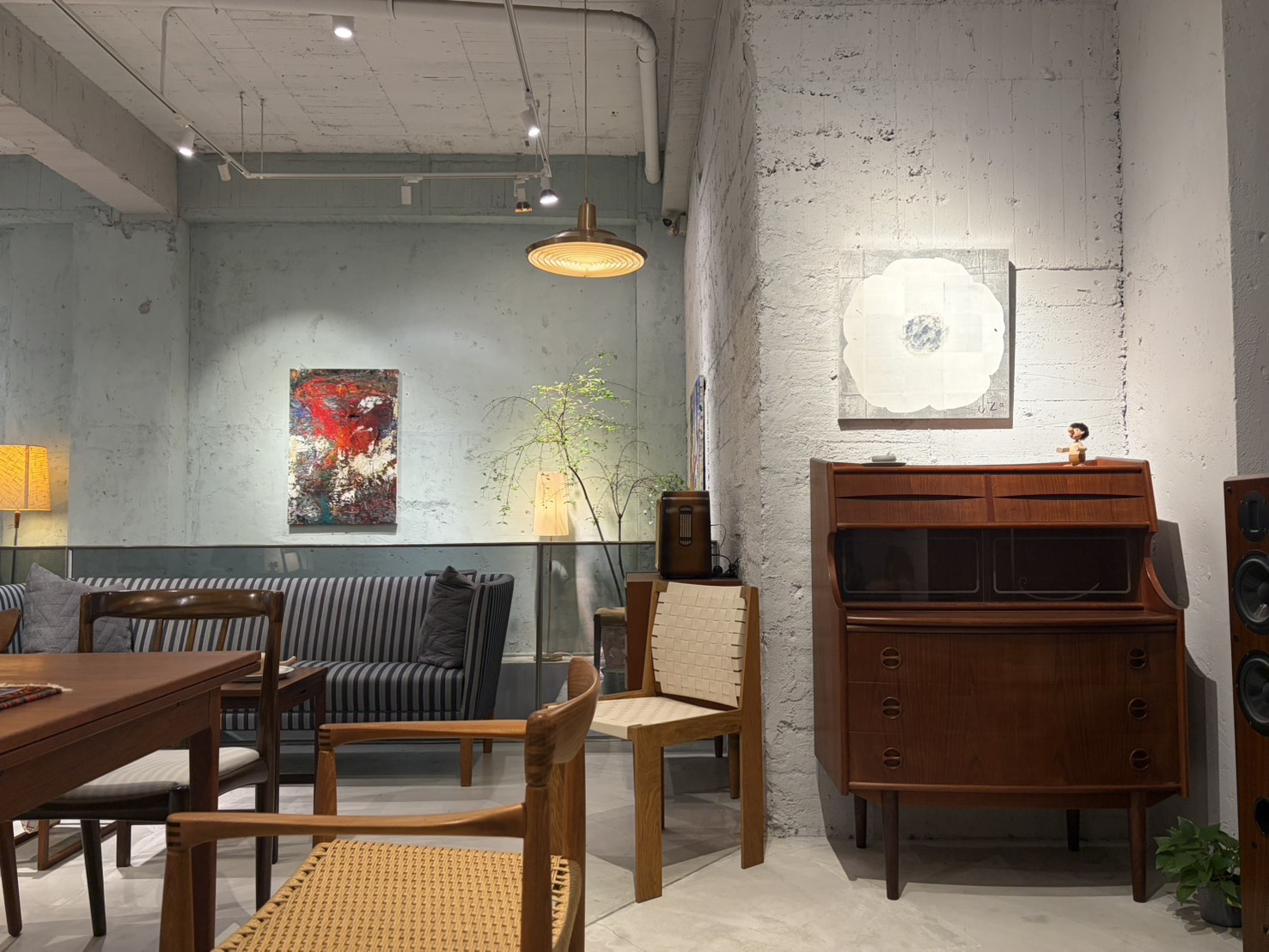
こうした背景のもと、本展「Surface and Image: Contemporary Japanese Painting」は、日本の現代絵画の現在地を改めて見つめ直し、国際的な対話の中に開いていくことを目的としています。今回の展覧会は、台湾・高雄の有名な芸術特区近くにある北欧アンティークの最新ショップ「屋物工作室」内にあるgalleryにて開催されました。日本と台湾は地理的にも文化的にも近い関係にありながら、それぞれ独自のアートシーンを形成してきました。そのような場所で日本の絵画を紹介することは、単なる海外展示ではなく、東アジアの中で新しい視点を共有する試みでもあります。
本展では、現在の日本の現代美術を担う二人のアーティスト、平松宇造と鳥越一輝に焦点を当て、日本の絵画における「表層(Surface)」と「イメージ(Image)」の関係を探ります。
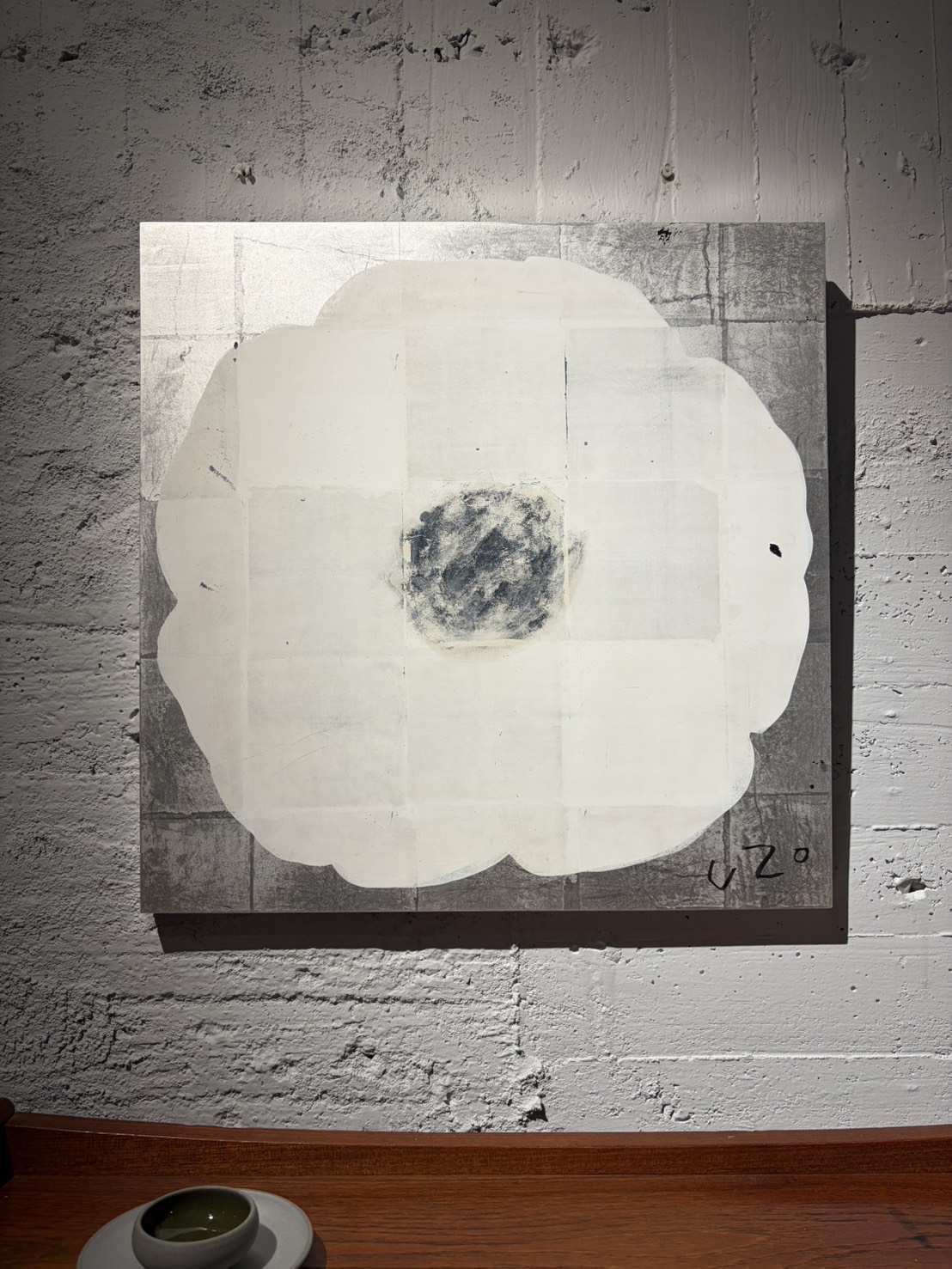
平松宇造は、日本画の伝統的な制作過程、とりわけ水張りといった基礎的な技法の研究を続けてきました。水張りとは、水彩画やデッサンにおいて紙が水分によって波打つのを防ぐため、紙を湿らせて膨張させた状態でパネルに固定し、乾燥時の収縮によって紙を張らせる技法です。この工程は、絵の具の滞留を防ぎ、安定した描画環境を生み出します。
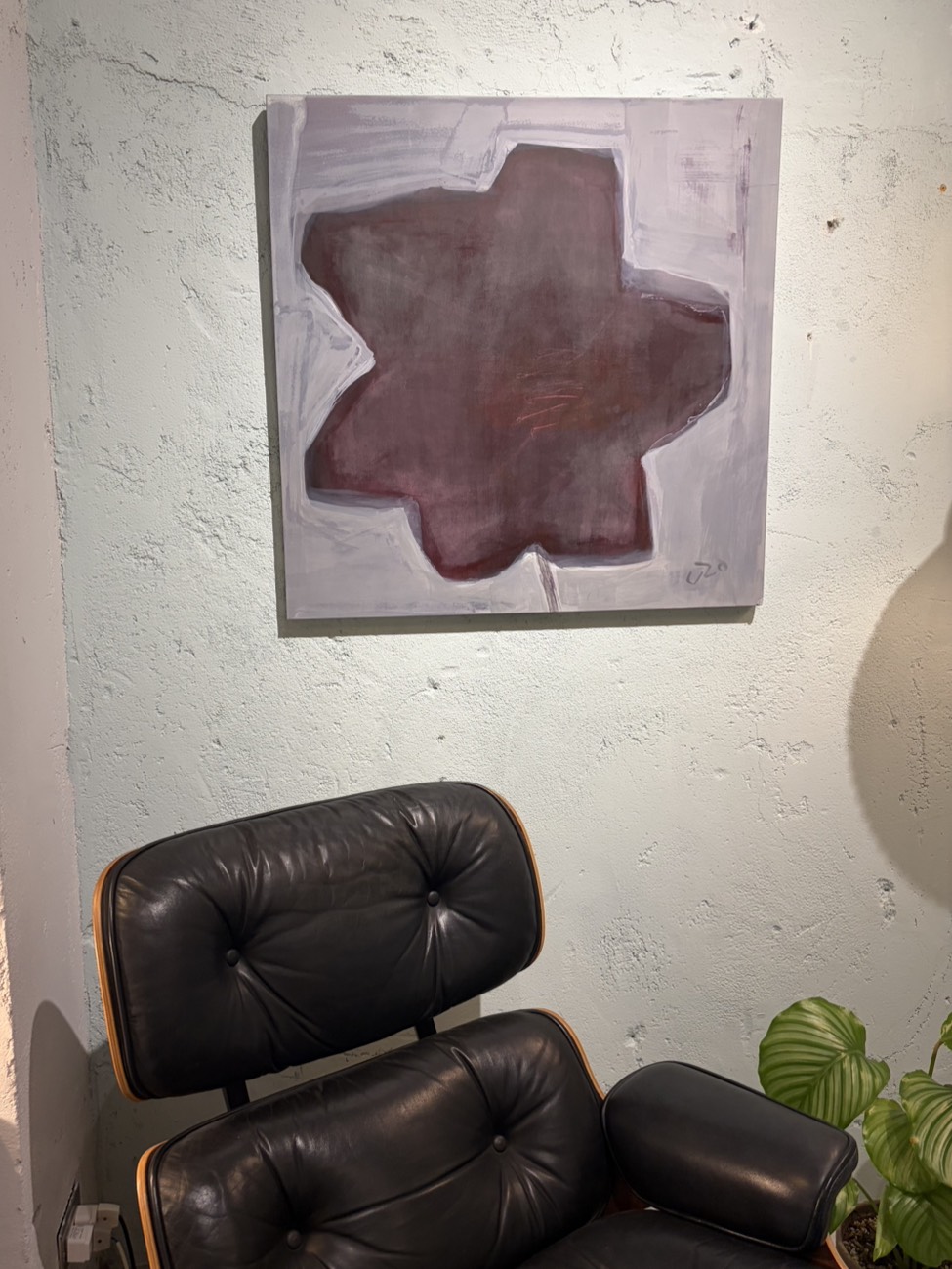
平松はこうした伝統的技術への探究を出発点としながら、独学によって独自の絵画表層を生み出してきました。そこには西洋絵画とは異なる、日本独特の繊細な感覚が宿っています。いわば侘び・さびにも通じるような、極限まで研ぎ澄まされた感覚への探求が、彼の絵画の特徴です。その作品は静かでありながら強い存在感を持ち、現在では世界中のコレクターや観客から注目を集めています。
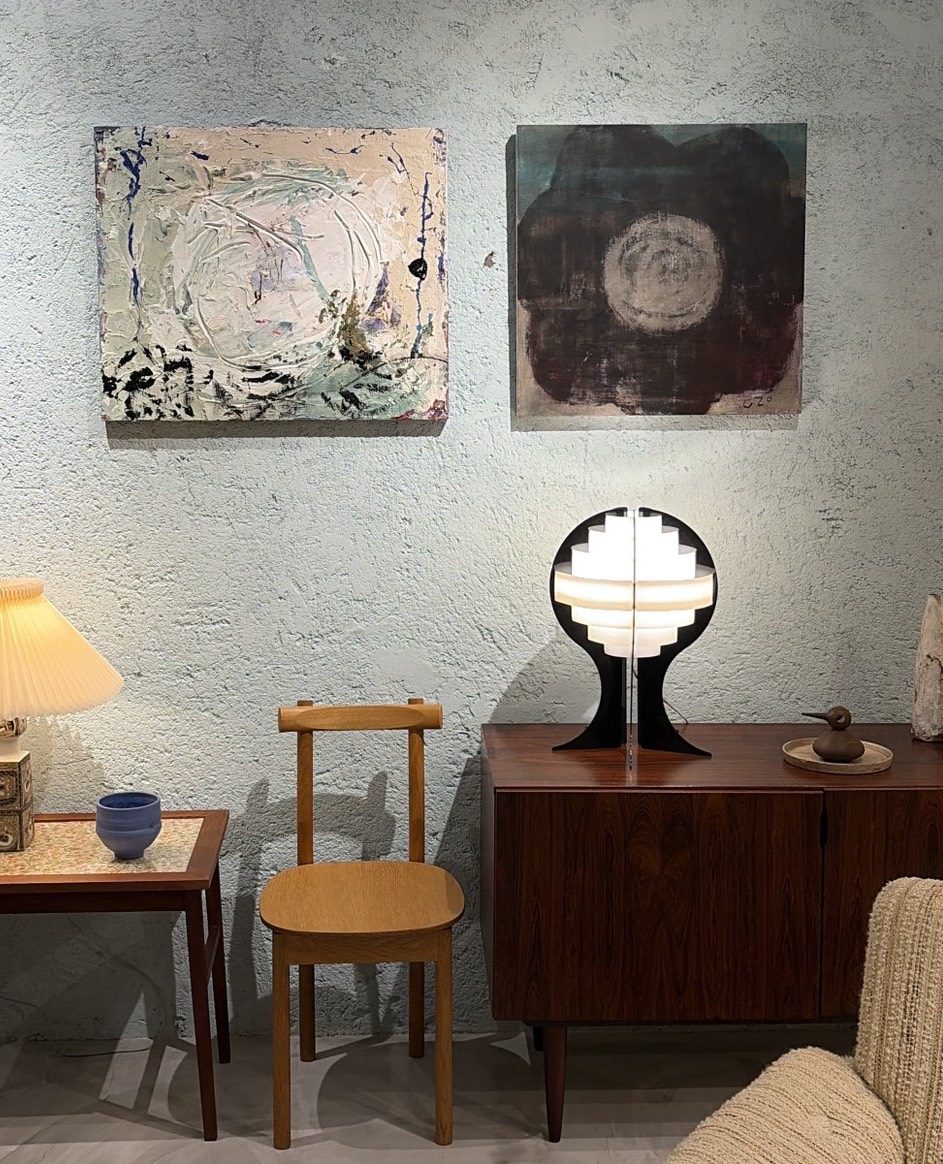
一方、鳥越一輝は、描画の痕跡を残しながら作品を構築していく画家です。その姿勢は、キャンバスとの対話を重視した抽象表現の系譜、たとえば Antoni Tàpies や Cy Twombly にも通じるものがあります。鳥越にとって絵画とは、完成されたイメージを再現するものではなく、素材と身体の関係の中で徐々に立ち上がってくるプロセスそのものです。
彼は素材への強い関心を持ち、coal tar、石膏、珪藻土、煤、plaster、顔料、蜜蝋、アクリル、ペンキ、油絵具、ボンドなど多様な素材を取り込みながら、重厚なマチエールを画面に生み出します。モデリングペーストやニス、ストリングジェルなども用いられ、キャンバスの表面は静かでありながら複雑な層を持つ空間へと変化していきます。
しかし、その物質的な豊かさとは対照的に、彼の画面は騒々しさを避けた静かなものです。鳥越はグレイッシュな色調を基調とし、日本の茶室や禅の空間を思わせるような、沈黙と余白のある場を画面の中に生み出します。その静けさの中で、わずかな変化や気配がゆっくりと現れてきます。
彼はこれまでに経験してきた絵画の記憶を辿るように、シンプルな筆致を画面に刻みながら作品を完成へと導いていきます。そしてその作品が、鑑賞者それぞれの中にある「いつかどこかで感じた懐かしい記憶」と静かに共鳴することを願っています。
本展において、平松と鳥越のアプローチは一見対照的に見えるかもしれません。平松は伝統的な技法の研究から独自の表層を生み出し、鳥越は素材と身体の対話によって絵画を構築していきます。しかし両者に共通しているのは、絵画を単なるイメージとしてではなく、「表層」という場として捉えている点です。そこでは時間、身体、素材、記憶といった要素が重なり合いながら、静かに絵画が成立していきます。
日本の現代絵画はしばしば独自の文脈の中で語られてきました。しかし今、その表層に目を向けることで、絵画の本質的な問題—素材、時間、感覚、記憶—を通じて、世界のアートと新たな対話を生み出す可能性があるのではないでしょうか。本展が、日本の現代美術を改めて国際的な視点から捉え直す一つの契機となることを願っています。
日本當代藝術在其獨特的歷史與價值觀背景下發展,在某種程度上,似乎與全球藝術潮流保持著一定距離。這種獨特性固然構成了其重要魅力,但同時也促使我們重新思考,它與國際藝術評價體系之間的關係。
因此,我們開始思考:日本當代藝術應如何被置於全球語境之中?而我們又能從何種視角來加以呈現?
在這樣的背景下,本展「Surface and Image: Contemporary Japanese Painting」旨在重新審視日本當代繪畫的當前位置,並將其開放於國際對話之中。本次展覽於台灣高雄一處知名藝術特區附近的北歐古董新型態選品店「屋物工作室」內之畫廊空間舉行。日本與台灣在地理與文化上皆有緊密聯繫,同時也各自發展出獨特的藝術生態。在這樣的場域中介紹日本繪畫,不僅僅是一場海外展覽,更是一種在東亞脈絡中共享新觀點的嘗試。
本展聚焦於兩位活躍於當代日本藝術現場的藝術家——平松宇造與鳥越一輝,探討日本繪畫中「表層(Surface)」與「影像(Image)」之間的關係。
平松宇造長期研究日本畫的傳統製作過程,尤其專注於「水張り」這一基礎技法。「水張り」是為了防止水彩或素描時紙張因吸水而起皺,將紙張先行潤濕,使其膨脹後固定於畫板上,待乾燥收縮後形成平整表面的技術。此過程能有效避免顏料滯留,並提供穩定的繪畫環境。
平松以對這類傳統技術的深入探究為出發點,並透過自學發展出獨特的繪畫表層。他的作品蘊含著不同於西方繪畫的細膩感性,可說與日本美學中的「侘寂」精神相通——一種對極致簡約與感知敏銳的追求。他的作品沉靜卻具有強烈存在感,近年來也逐漸受到世界各地藏家與觀眾的關注。
另一方面,鳥越一輝則是一位在創作中保留繪畫痕跡的藝術家。他的創作方式強調與畫布之間的對話,與抽象表現主義的傳統有所呼應,例如Antoni Tàpies與Cy Twombly的實踐。對鳥越而言,繪畫並非對既有影像的再現,而是在材料與身體互動中逐漸生成的過程。
他對材料抱持高度興趣,並將煤焦油、石膏、矽藻土、煤灰、石灰、顏料、蜂蠟、壓克力、油漆、油畫顏料、膠等多樣素材引入創作之中,形成厚重而層次豐富的肌理。他亦使用建模膏、清漆、纖維凝膠等媒材,使畫布表面轉化為一個安靜卻複雜的空間。
然而,與其物質性的豐富形成對比的是,他的畫面刻意避免喧囂,呈現出一種靜謐的氛圍。鳥越以灰階色調為主,營造出類似日本茶室或禪宗空間的感受——一種充滿沉默與留白的場域。在這份寂靜之中,細微的變化與氣息緩緩浮現。
他透過追溯自身對繪畫的記憶,以簡潔的筆觸在畫面中留下痕跡,引導作品逐步完成。同時,他也期望這些作品能與觀者內心某種「似曾相識的記憶」產生靜謐的共鳴。
在本展中,平松與鳥越的創作方法看似對比鮮明。前者從傳統技法出發,發展出獨特的表層語言;後者則透過材料與身體的互動來建構繪畫。然而,兩人共同之處在於,他們都將繪畫視為一種「表層的場域」,而非單純的影像再現。在這個場域中,時間、身體、材料與記憶彼此交織,讓繪畫得以靜靜地成立。
日本當代繪畫過去常被置於其獨特的文化脈絡中加以討論。然而,如今透過對「表層」的重新關注,我們或許能從材料、時間、感知與記憶等繪畫的根本問題出發,開啟與全球藝術之間嶄新的對話可能。
我們期望本展能成為一個契機,使日本當代藝術得以從國際視角再次被理解與定位。
Surface and Image: Contemporary Japanese Painting
For many years, I have operated a gallery in Fukuoka, focusing on contemporary Japanese art. Through this experience, I have increasingly felt that the Japanese contemporary art scene has evolved along a path that is, in certain respects, parallel to rather than fully integrated with the dominant narratives of the global art world. This relative distance has allowed Japanese artists to cultivate a distinct visual language and sensitivity. At the same time, it raises an important question: how might these practices be reconsidered within the broader discourse of contemporary art today?
This question became particularly pressing when I founded AFAF, the first art fair in Fukuoka. Establishing an art platform from a regional city inevitably brings one into contact with the structures that shape the international art ecosystem. It was through this process that I began to reflect more deeply on how contemporary Japanese art might be articulated beyond its local context—without losing the specificity that defines it.
The exhibition Surface and Image: Contemporary Japanese Painting emerges from this inquiry. Presented in Kaohsiung, Taiwan, the exhibition situates Japanese painting within a broader East Asian context that is increasingly significant in the global art landscape. Cities such as Fukuoka and Kaohsiung share a position within a cultural geography that is both regional and international. Bringing Japanese painting into this environment allows for a different kind of dialogue—one that moves beyond the conventional center–periphery model of the art world and instead foregrounds exchanges within Asia itself.
At a moment when painting is once again being reconsidered internationally—particularly through renewed attention to materiality, process, and the physical presence of the artwork—Japanese painting offers a perspective that has long engaged with these concerns in subtle yet profound ways. The works presented in this exhibition invite viewers to reconsider painting through the lens of surface: not merely as an image-bearing plane, but as a site where time, gesture, and matter accumulate.
The exhibition focuses on two artists whose practices illuminate different yet interconnected trajectories within contemporary Japanese painting: Uzo Hiramatsu and Kazuki Torigoe.
Uzo Hiramatsu’s work originates in a deep investigation of traditional Japanese painting processes, particularly foundational techniques such as mizubari (paper stretching). This method, used in watercolor and drawing, involves moistening paper and securing it to a panel so that the natural contraction during drying produces a taut surface. While seemingly technical, such procedures fundamentally shape the conditions under which an image can emerge.
Beginning from this careful study of process, Hiramatsu has developed a singular pictorial surface through a largely self-directed practice. His paintings embody a sensitivity that differs from the historical trajectory of Western painting. Instead of emphasizing image construction, his work often approaches painting through restraint, atmosphere, and surface tension—qualities that resonate with aesthetic concepts associated with Japanese culture, including the sensibility often described as wabi-sabi. Through this pursuit, Hiramatsu achieves a remarkable equilibrium between presence and silence, allowing the painting to exist as both image and environment.
Kazuki Torigoe, by contrast, approaches painting through a direct engagement with material and gesture. His works are built through an ongoing dialogue with the canvas, recalling the legacy of artists such as Antoni Tàpies and Cy Twombly, for whom the surface of the painting functioned as a site of accumulation rather than representation.
Torigoe employs a wide range of materials—including coal tar, plaster, diatomaceous earth, soot, pigments, beeswax, acrylic, industrial paint, oil, and adhesive—allowing them to interact in ways that generate dense and tactile surfaces. Modeling paste, varnish, and string gel further complicate the pictorial field, producing works that carry a strong sense of physical presence.
Despite this material density, however, Torigoe’s paintings are marked by restraint. His palette tends toward muted, grayish tones, creating a quiet spatial atmosphere reminiscent of the contemplative environment of a tea room or the sensibility associated with Zen aesthetics. Within this subdued field, subtle shifts gradually unfold. Rather than constructing dramatic compositions, Torigoe traces a path through memory—recalling formative encounters with painting—while inscribing simple gestures onto the surface. In doing so, his works aim to resonate with a shared emotional register: the faint recognition of a memory that feels both personal and collective.
Although Hiramatsu and Torigoe employ very different approaches, their practices converge in an essential way. Both artists treat painting not simply as an image but as a surface in which time is embedded. In their works, material, gesture, and perception accumulate slowly, allowing the painting to unfold as an experiential space.
Contemporary Japanese painting has often been interpreted primarily within a national or cultural framework. Yet when viewed through the question of surface and material presence, these works reveal an alternative way of understanding painting within the global discourse today. Rather than standing apart from international developments, they suggest a parallel lineage—one that has quietly explored many of the concerns now returning to prominence in contemporary art.
Seen in this light, the exhibition proposes not a comparison between Japanese painting and the global art world, but a reconfiguration of how these histories intersect. By bringing together the practices of Hiramatsu and Torigoe in Kaohsiung, Surface and Image seeks to open a space where different trajectories of painting can meet, overlap, and be reconsidered anew.